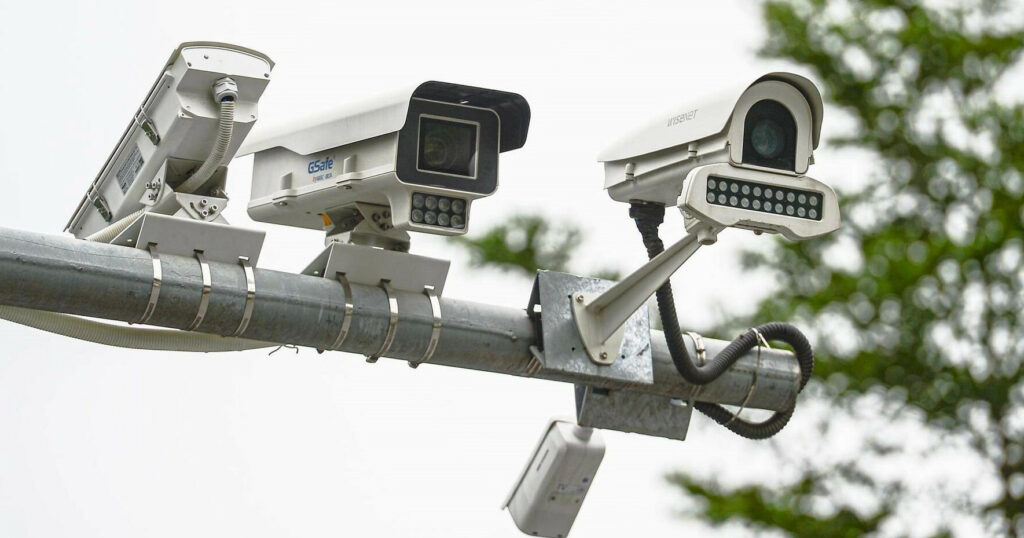
As cities grow and security demands increase, traditional surveillance systems are struggling with key limitations: delayed response, resource-heavy monitoring, and underutilized video data.
AI-enhanced surveillance — known as Camera AI — marks a turning point, enabling real-time analysis, automated alerts, and operational insights.
From an independent analysis standpoint, the integration of AI into camera systems offers clear advantages:
1. Smarter Detection & Alerting
AI can detect unusual movements, unauthorized access, crowd formation, or high-risk behaviors like violence or improper waste disposal — triggering timely alerts instead of passive recording.
2. Resource Optimization
AI reduces reliance on manual monitoring by filtering relevant events across hundreds of cameras — cutting costs and avoiding human errors or missed incidents.
3. Data-Driven Decision-Making
With behavioral data collected in real time, Camera AI provides actionable insights through dashboards — aiding city planning, traffic coordination, and facility management.
4. Flexible Integration & Scalability
Modern AI surveillance systems are designed to integrate with existing camera infrastructure, minimizing upfront investment and supporting gradual scale-up.
5. Enhanced Security Experience
Active surveillance builds trust. Residents and facility users feel safer, contributing to better living environments and stronger reputational value for property or municipal managers.
Conclusion
Camera AI is no longer optional — it’s a strategic component of smart urban and facility management. The key is to choose solutions that align with your specific needs and context.